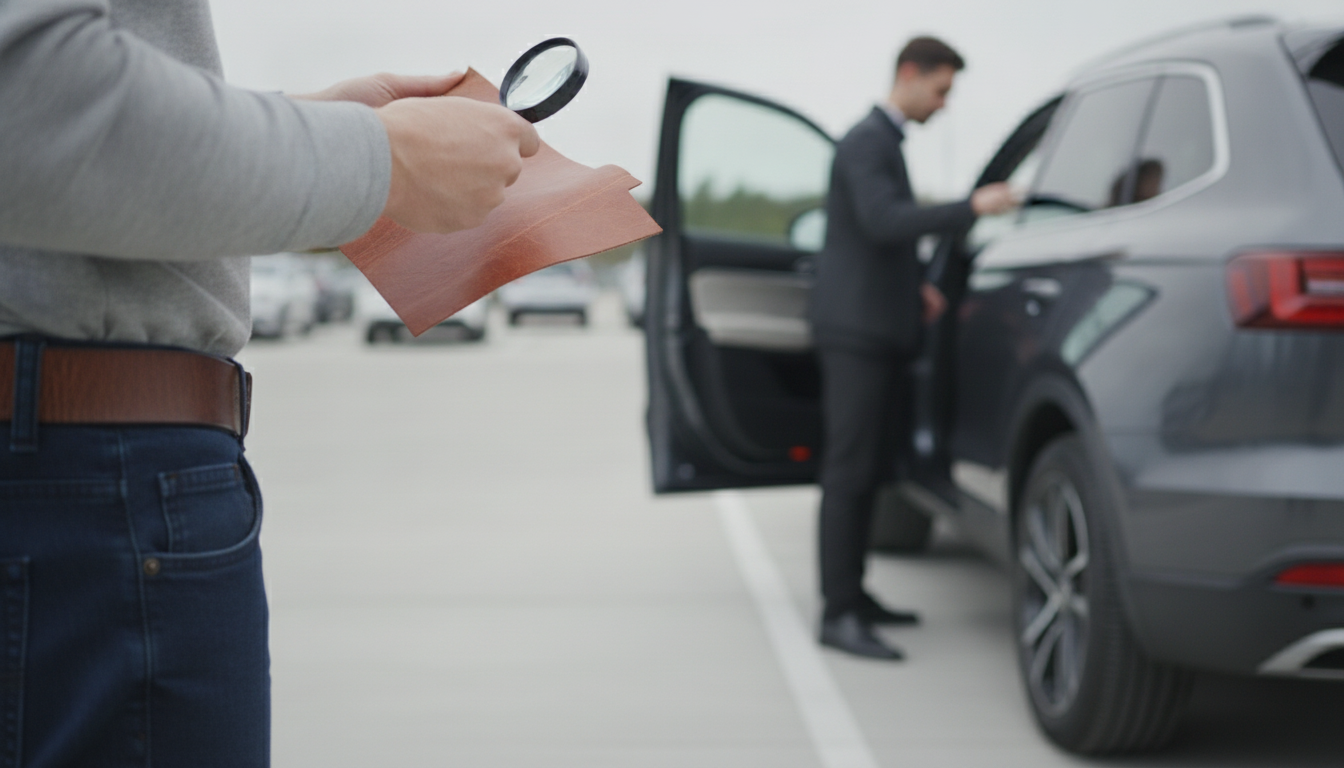
Yes—“genuine leather” is real leather, meaning it comes from animal hide. The confusion is that “genuine” on a label describes a broad category, not a single grade. A product marked “genuine leather” could be made from higher-quality hide splits or from lower-cost leather that’s been heavily processed, finished, or coated for a consistent look.
In everyday shopping, “genuine leather” often signals an entry-level leather option compared with labels like “full-grain” or “top-grain.” That doesn’t automatically make it bad—it just means the leather may have a more uniform surface finish, may feel slightly stiffer at first, and may show less of the natural grain pattern. For accessories like belts, a well-made genuine leather belt can still look polished, wear comfortably, and last well with basic care.
Instead of judging only by the wording, look for details that affect durability and feel: thickness, edge finishing, stitching quality, and hardware. A belt’s performance depends on construction as much as material. If the belt holds its shape, has clean edges, and uses a solid buckle, it can be a dependable staple for daily outfits.
For a practical example of a refined, minimalist option, see this guide to a 2–3 cm genuine leather thin belt with a copper buckle: https://majorane.com/guide-2-3cm-genuine-leather-thin-belt-copper-buckle-women/.
No. Synthetic materials are typically labeled “PU leather,” “vegan leather,” or “faux leather.” “Genuine leather” indicates real hide. If a listing feels unclear, check the material breakdown and care instructions; reputable sellers will specify leather content and lining details.
For Genuine Leather Explained: Is It Real or Just Marketing?, the best answer depends on fit, material, care instructions, and how the product will be used day to day.
Full-grain leather keeps the hide’s natural surface and is typically more durable and develops a richer patina. Genuine leather is a broader term and can include more processed layers, often with a more uniform finish.



Leave a comment