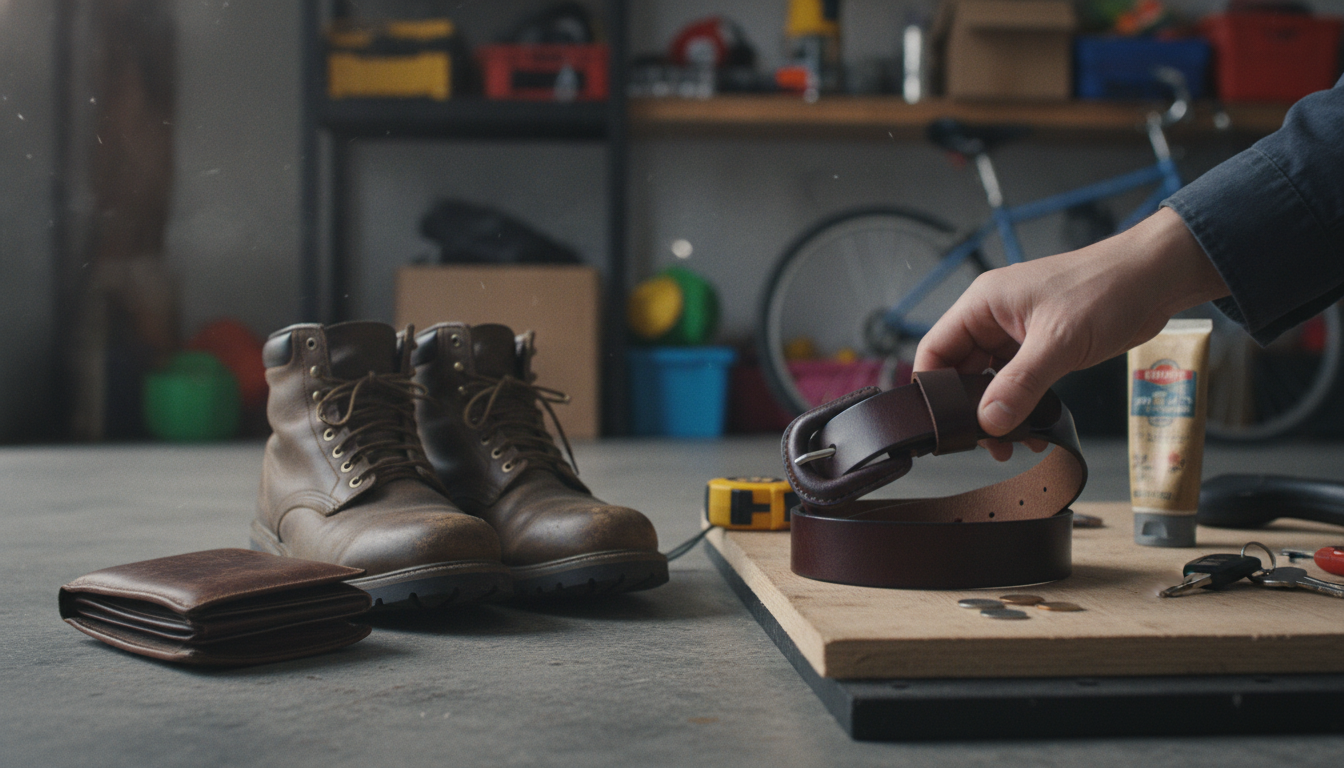
Genuine leather is typically worth less than full-grain or top-grain leather, but more than bonded leather and most synthetic “leather-like” materials. In plain terms, you’re paying for real hide that’s been processed and finished for durability and appearance—just not the most premium cut or the most natural, minimally altered surface.
For small accessories, genuine leather value is usually reflected in the finished item’s price rather than by-the-square-foot material cost. Many well-made genuine leather belts and wallets land in the “everyday quality” tier: affordable enough for regular wear, yet noticeably better than faux leather that can crack or peel. The exact worth depends heavily on craftsmanship and hardware, not just the label.
Leather thickness and cut: Thicker, more consistent hides (or better sections of a hide) cost more and generally last longer under stress points like belt holes and buckles.
Finish and feel: Some genuine leather is heavily corrected and coated for uniformity. That can look sleek and resist stains, but it may feel less “natural” and can reduce the premium compared with higher grades.
Construction details: Clean edge finishing, reinforced holes, sturdy stitching, and a well-set buckle can matter as much as the leather itself. A slim belt can still be high value if it’s cut evenly and finished well.
Hardware quality: Solid buckles (for example, durable metal like copper or brass-toned hardware) and reliable attachment points increase long-term value because buckles and rivets are common failure points.
Look for a smooth, consistent strap with minimal cracking at bends, neatly finished edges, and holes that look reinforced rather than ragged. A belt that holds its shape, feels substantial for its width, and has secure hardware is usually a better value than one that only looks good on day one.
For a practical example of how material thickness, strap width, and buckle choice come together in a real product, see the guide here: https://majorane.com/guide-2-3cm-genuine-leather-thin-belt-copper-buckle-women/.
It can if the surface has a heavy coating or if it’s exposed to repeated moisture and friction without care. Keeping it clean, conditioning occasionally, and avoiding soaking helps reduce peeling and cracking.





Leave a comment