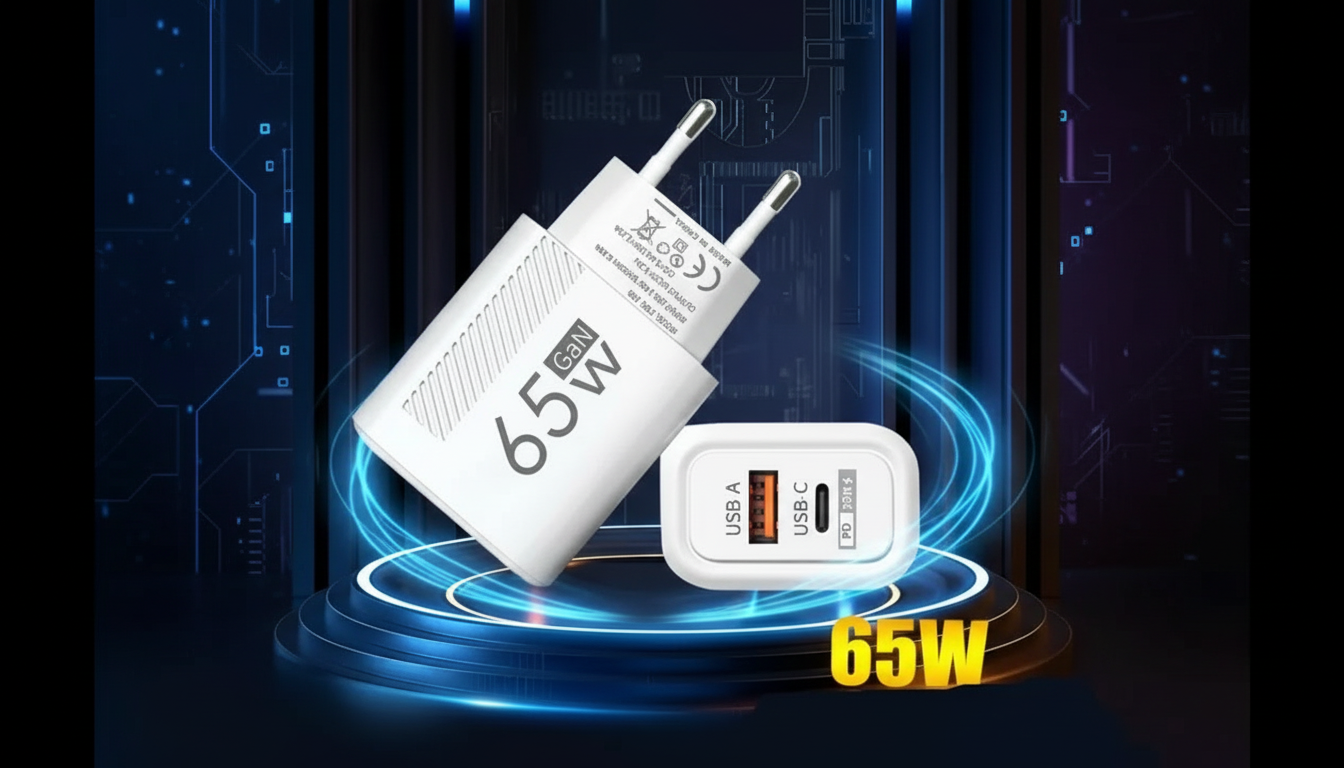
Most reputable GaN USB-C fast chargers are designed to be left plugged in, even when nothing is charging. Modern chargers include multiple protections—over-voltage, over-current, short-circuit, and over-temperature—plus intelligent “handshaking” that only delivers meaningful power after a device requests it.
That said, “safe” depends on the charger’s build quality and your environment. A well-made GaN charger that runs cool, carries recognized safety certifications (such as UL or ETL), and is used in a ventilated outlet is generally low-risk for 24/7 use.
When no device is connected, a charger typically draws only a tiny amount of standby power. GaN designs tend to be more efficient than older silicon chargers, which can translate to lower wasted heat. Less heat is important, because heat is one of the main factors that can shorten electronics’ lifespan.
Unplug the charger if it feels unusually hot while idle, shows discoloration, makes buzzing/crackling sounds, or has a loose fit in the outlet. Also consider unplugging during thunderstorms, in older homes with questionable wiring, or in outlets that are already crowded with adapters.
Use a charger from a known brand, keep it uncovered (don’t sandwich it behind furniture or under bedding), and avoid daisy-chaining it through cheap multi-plugs. If you want extra peace of mind, plug it into a quality surge protector—especially for expensive phones, tablets, and laptops.
For a deeper look at what makes a 65W GaN USB-C charger reliable (and how fast-charging standards like USB-C PD and Quick Charge affect real-world use), visit this guide: https://majorane.com/guide-65w-gan-usb-c-charger-quick-charge-pd-guide/.
They use a small amount of standby power, but it’s typically very low. GaN chargers are often more efficient than older designs, so idle energy use is usually minimal.



Leave a comment