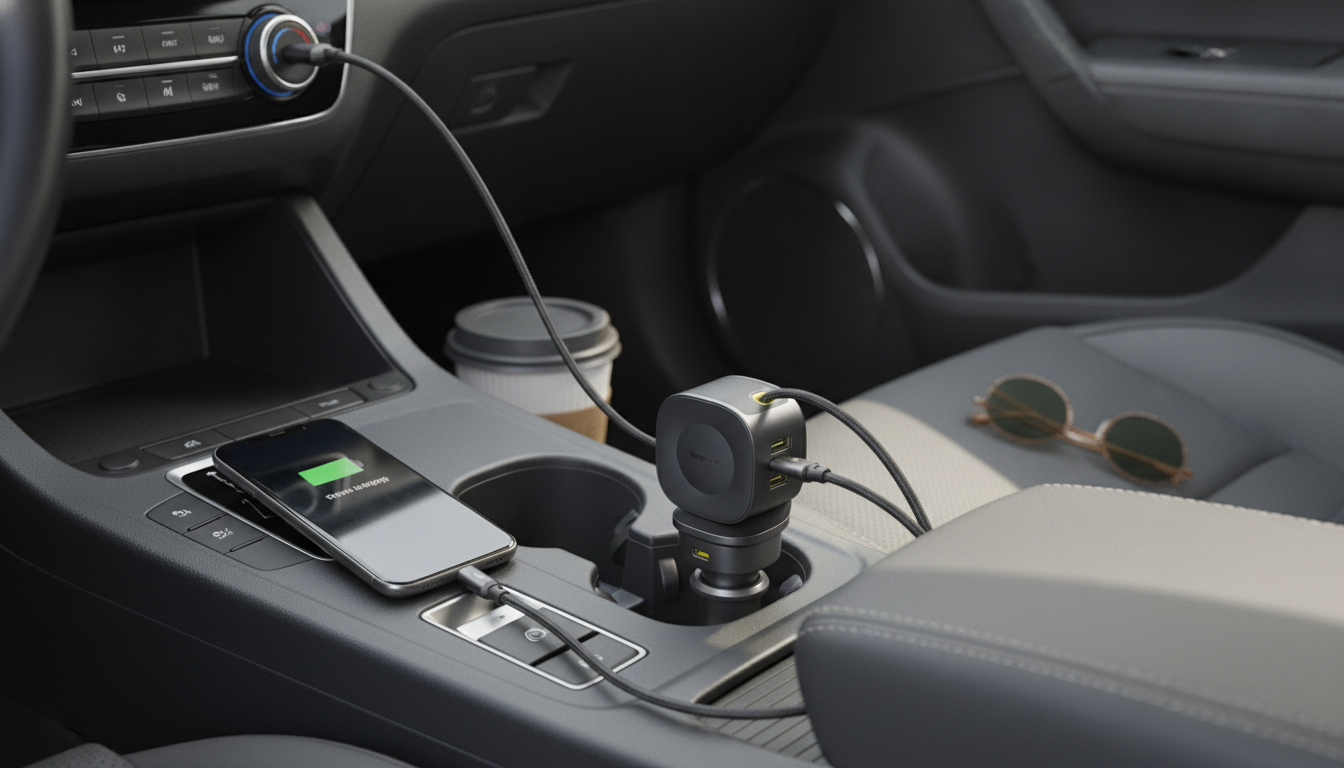
Anker chargers get recalled when a specific model is found to pose a safety risk—most commonly overheating that can lead to melting, smoke, or fire under certain conditions. Recalls typically happen after reports from customers, internal quality testing, or notifications from regulators indicate that a defect is possible in real-world use.
The underlying cause is usually tied to a component or manufacturing issue rather than “Anker chargers” as a whole. For example, problems can involve the battery cells inside a power bank, insulation or soldering that fails over time, or thermal management that doesn’t handle heat buildup as intended. Fast-charging hardware pushes higher power through smaller designs, so even a small defect can become a bigger hazard if the unit is used continuously, left charging overnight, or paired with high-wattage devices.
Recalls are issued for specific model numbers, production runs, and sometimes serial-number ranges. Check the product label on the charger or power bank, the packaging (if available), and your order history. Then compare those details to the recall notice to confirm whether your unit is included.
Stop using the affected device right away, especially if it has shown signs of trouble like unusual heat, discoloration, a burning smell, swelling, or intermittent charging. Follow the recall instructions for a replacement, refund, or disposal guidance. If the product contains a lithium battery (like a power bank), do not throw it in household trash—use a local battery recycling or hazardous waste drop-off.
If you’re shopping for a higher-power, multi-device charging setup, see this guide to a 240W 4-port USB-C car charger with a retractable cable: https://majorane.com/guide-240w-4-port-usb-c-car-charger-retractable-cable/.
Use certified cables rated for the charger’s wattage, keep the charger ventilated, and avoid covering it while in use. Unplug if it becomes unusually hot, makes noise, or smells like burning plastic.



Leave a comment