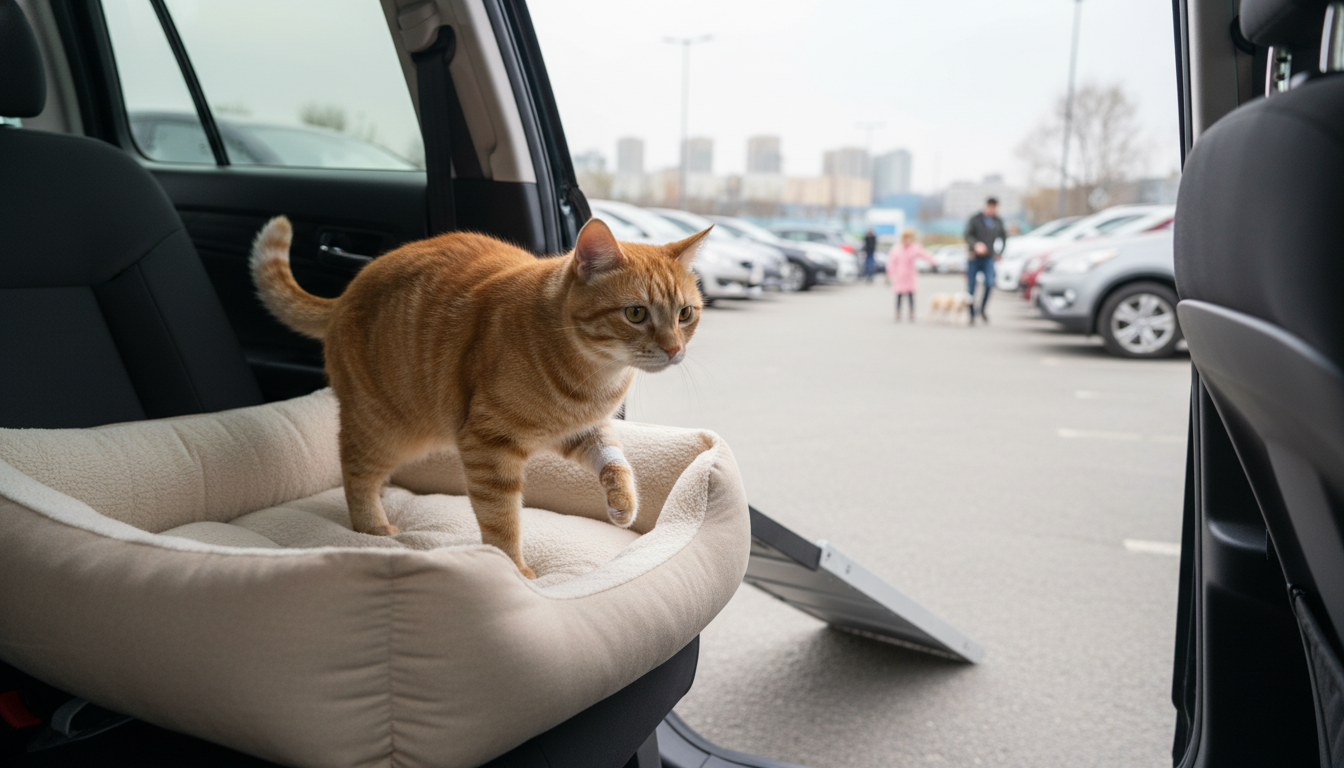
Yes. Many cats adapt remarkably well after losing a paw due to injury, infection, cancer, or a severe deformity. With proper pain control, a safe home setup, and a thoughtful recovery plan, most cats can return to comfortable, happy routines—eating normally, playing, grooming, and seeking attention—often sooner than expected.
The biggest adjustment is balance and weight distribution. Cats are agile, but they’ll need time to relearn jumping, landing, and navigating slick floors. Some cats become more cautious, prefer lower perches, or take stairs more slowly. Others regain confidence quickly and resume many of their favorite activities with minor modifications.
Early recovery focuses on controlling pain, preventing infection, and limiting activity so the incision heals well. At home, provide soft bedding, easy access to food and water, and a low-entry litter box. Add non-slip rugs or mats on hard floors and consider pet stairs or a small ramp for favorite resting spots. Keeping your cat at a healthy weight matters, since extra pounds add strain to the remaining limbs and joints.
Once healed, many three-legged cats (or cats missing part of a limb) do extremely well. They may tire faster, be less steady on very smooth surfaces, or avoid very high jumps, but these changes don’t automatically mean a reduced quality of life. Regular veterinary checkups can help monitor mobility, arthritis risk, and nail care on the remaining paws.
Reach out promptly if you notice persistent limping, reluctance to move, appetite loss, swelling, discharge at the surgery site, or behavior changes that suggest pain. Early intervention can prevent minor issues from becoming long-term setbacks.
For a deeper, step-by-step look at recovery, home adjustments, and what to expect over time, visit the full guide on whether a cat can live well without a paw.
Use non-slip rugs on slick floors, keep essentials on one level, and offer pet stairs or ramps to favorite spots. Choose a low-entry litter box and block off steep drops until your cat is confidently mobile.






Leave a comment