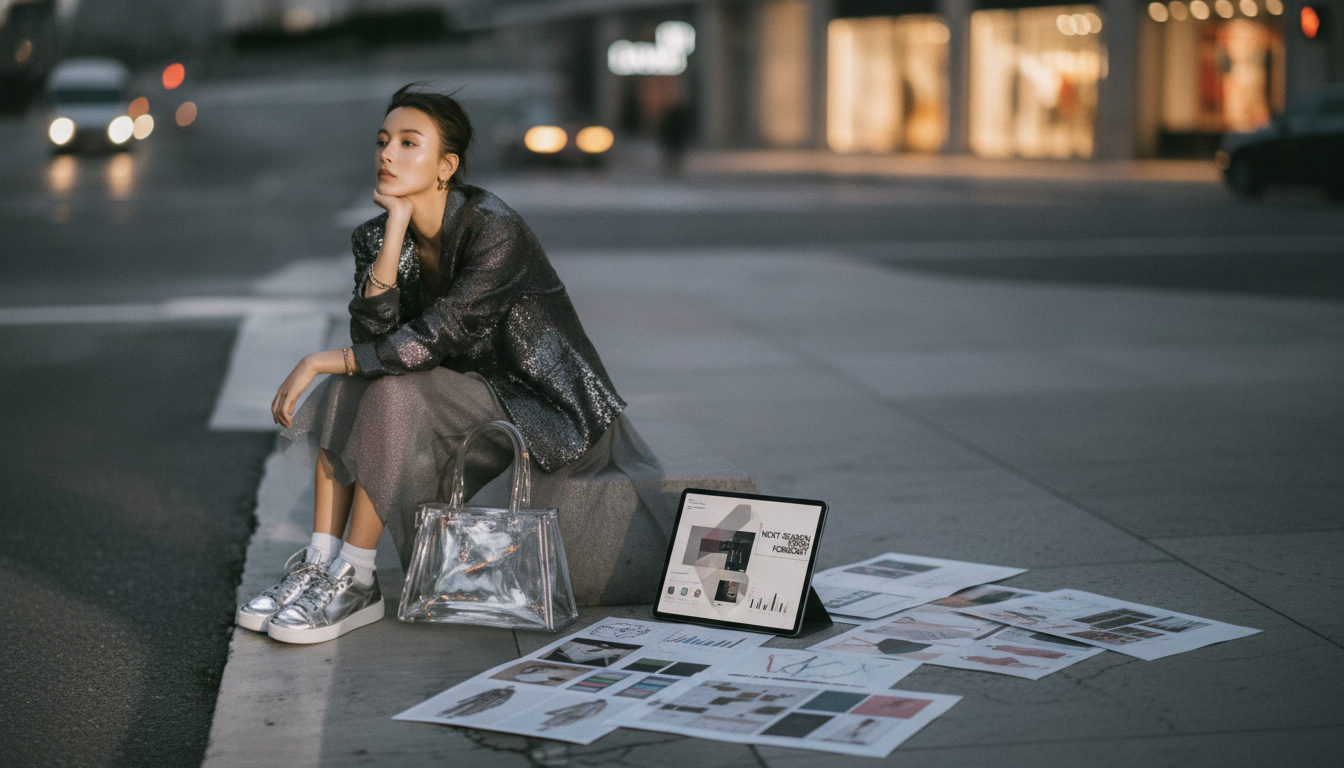
Start by treating your trend forecast pack like a filter, not a shopping list. The goal is to translate the insights into a tight, wearable story that looks intentional across color, fabric, silhouette, and pricing—while still fitting your customer and your brand codes.
Skim the pack and highlight what repeats: core colors, key materials, dominant silhouettes, and the strongest reference images. Then choose a small edit—typically 1–2 trend themes max for a capsule—so every piece feels related instead of competing.
Map your capsule into roles: hero pieces (1–2), supporting outfits (3–5), and easy add-ons (2–4). Use the forecast pack to define what each role should look like (e.g., one “statement” shape, one “day-to-night” dress, one layering top), then confirm each item earns its spot through versatility and margin.
Translate the forecast colors into a practical palette: 2 neutrals, 2 core seasonal colors, and 1 accent. Pair that with a short fabric/material list that repeats across products. Consistency here is what makes a capsule feel cohesive on the rack and online.
Use the pack’s silhouettes to define proportions that work together—like one wide-leg bottom balanced by fitted tops, or a relaxed outer layer over slimmer bases. Make sure most items can create at least 3 outfits with the rest of the capsule.
Turn inspiration into specifics: neckline, sleeve shape, hem length, pocket treatment, trims, and hardware. Then set guardrails for price tiers and minimum quantities so the collection is cohesive commercially, not just visually.
For a deeper walkthrough on planning and buying with a forecast pack, see this guide to using a trend forecast pack for next-season planning.
Start with two dependable neutrals, then add two forecast-driven colors that flatter your customer, plus one accent for highlights. Keep most items in the neutrals and core colors, using the accent sparingly for freshness.


Leave a comment