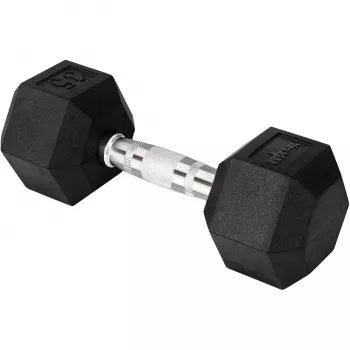
Neither neoprene nor chrome dumbbells are universally “better”—they’re better for different uses. Neoprene dumbbells usually win for comfort, quiet handling, and home-friendly workouts. Chrome dumbbells tend to win for long-term durability, a premium feel, and heavier strength training where a firm grip matters.
Neoprene-coated dumbbells are a great match for lighter to moderate weights, high-rep sessions, and classes like HIIT, Pilates, or beginner strength work. The coating feels warmer and softer in the hand, can reduce clanking on the floor, and is less likely to feel slippery when your hands get a little sweaty. They’re also commonly color-coded, which makes quick weight changes easier during fast-paced circuits.
Chrome dumbbells are typically chosen for a sleek, “gym-grade” look and a dense, solid feel. They’re easy to wipe down, resist staining, and hold up well over years of use. If you regularly lift heavier or prefer a more secure, defined handle texture, chrome handles (especially with quality knurling) can feel more locked-in than soft coatings. They also pair nicely with setups that emphasize stability and consistent handling.
Neoprene can eventually show wear—small nicks, peeling, or fading—especially if dragged on rough surfaces. Chrome is tougher against abrasion, but the shine can show fingerprints, and very smooth chrome can feel slick if the handle isn’t textured well. For either option, storing on a rack and wiping down after training extends the life of the finish and keeps the grip consistent.
For a deeper look at handle feel and stability factors that matter when choosing chrome styles, see this chrome grip hex dumbbell guide.
Some new neoprene dumbbells can have a mild rubbery odor at first. Airing them out for a few days and wiping them with mild soap and water usually helps.





Leave a comment