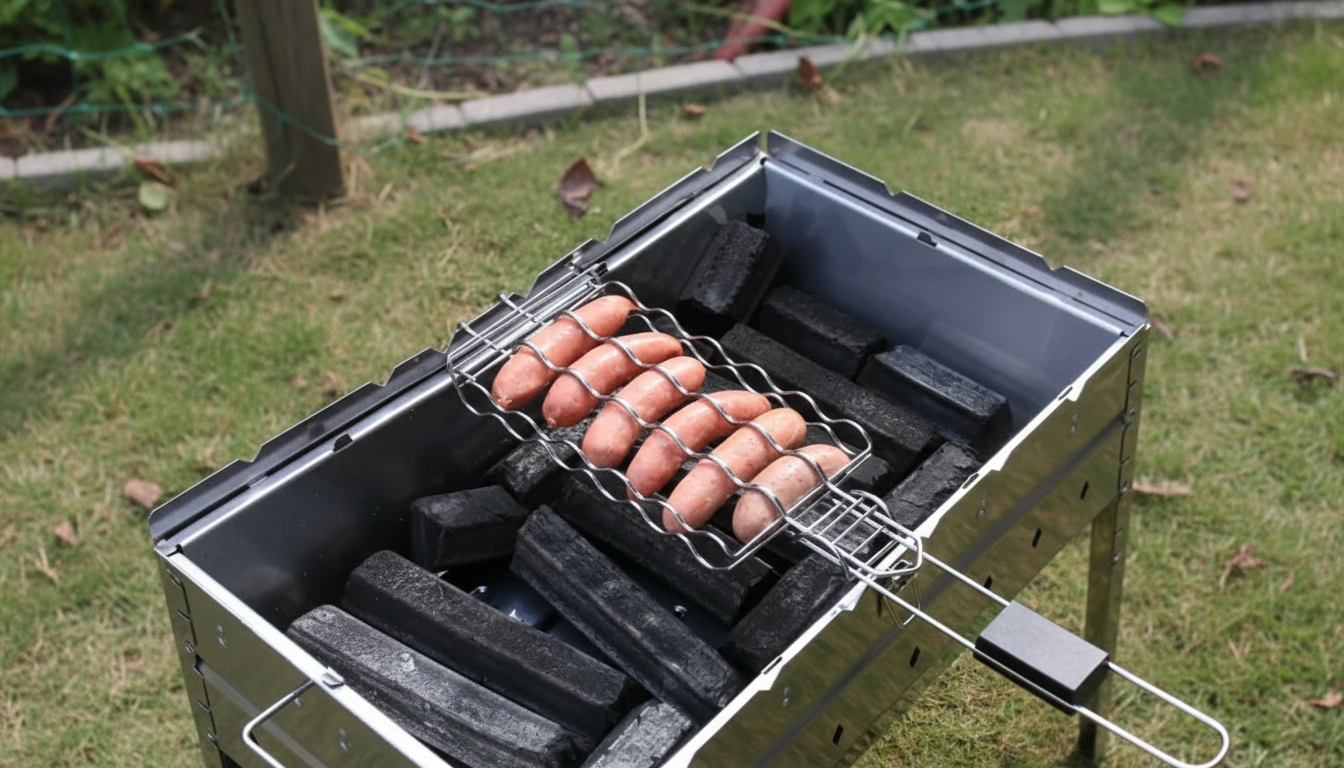
It depends on what matters most: heat performance and crust (cast iron) or convenience and corrosion resistance (stainless steel). For many backyard cooks, cast iron is the better “grill-on” surface when you want bold sear marks and steady heat, while stainless steel is often the better choice when you want easier cleanup, less maintenance, and strong resistance to rust—especially in humid or coastal areas.
Cast iron excels at holding heat. Once it’s hot, it stays hot, which helps create a deep, even sear on steaks, burgers, and chops. It also handles temperature swings well when you add cold food to the grill. The tradeoff is maintenance: cast iron should be dried promptly, lightly oiled, and protected from moisture to prevent rust. It can also be heavier and more brittle than steel if dropped.
Stainless steel grill grates (and accessories) are prized for durability and rust resistance. They heat up faster than cast iron, and they’re typically easier to scrub clean after a cook. However, stainless doesn’t retain heat as strongly, so it can be harder to get the same intense crust—especially on thinner grates or when grilling lots of food at once.
If maximum sear and heat retention are the priority, choose cast iron. If you want a straightforward, low-fuss setup that holds up well to weather and frequent cleaning, stainless steel is often the better everyday option. Many cooks get the best of both worlds by using stainless grates plus a cast-iron griddle or skillet for high-sear tasks.
For another approach—especially for vegetables, shrimp, and smaller foods that like to fall through grates—see this stainless-steel grilling basket guide: https://majorane.com/guide-stainless-steel-grilling-basket-wooden-handle-bbq-camping/.
Yes. A basket helps keep delicate or small pieces from sticking or slipping through the grates, while still letting heat and smoke circulate for good browning.





Leave a comment