Cats tend to “never get bored” with toys that behave like real prey and feel a little different each time. The most reliable options are interactive wand toys, lightweight feather or fur-style attachments, and simple chase-and-pounce toys that can be rotated to stay fresh. The key is movement, unpredictability, and a satisfying “catch” at the end.
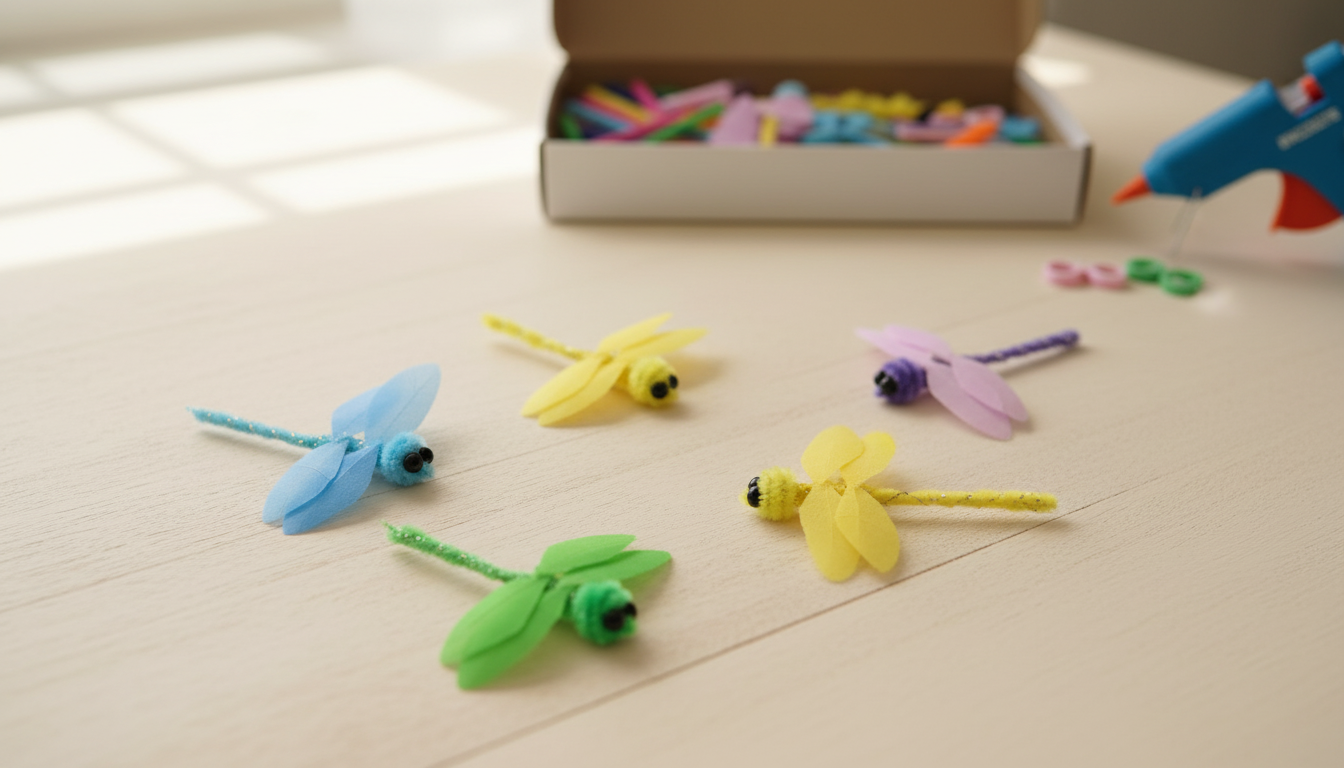
Interactive wand toys top the list because the toy’s action changes with every flick, pause, and direction change. A wand lets you mimic a bird skittering, an insect hovering, or prey hiding and reappearing—patterns that trigger a cat’s hunt sequence. To keep interest high, swap attachments instead of replacing the whole toy. For ideas on feather-style refills that keep play feeling new, see this guide to dragonfly feather cat wand refill heads.
Feather and “flutter” attachments are especially hard to resist because they provide visual motion plus a light, airy texture that cats can mouth and paw. Many cats stay engaged longer when the toy flutters above the ground, disappears behind furniture, or pauses to “freeze” like prey.
Small toss-and-chase toys (like crinkle balls, felt mice, or soft kickers) can also keep a long-term spot in your cat’s rotation—especially if they’re easy to bat across a smooth floor. These work best when you bring them out for short sessions, then put them away, so they regain novelty.
Food puzzles and treat-dispensing toys are another boredom-proof category for cats motivated by snacks. They add mental challenge and slow down fast eaters, while still satisfying the urge to “work” for a reward.
For the most consistent results, rotate 3–5 toys, schedule short play bursts (5–10 minutes), and finish with a “catch” so your cat doesn’t feel frustrated.
Rotate every few days, keeping only a small selection out at once. Putting favorites away for a week or two can make them feel brand-new again when reintroduced.






Leave a comment